

When the optimized summer becomes another productivity trap
Plus a story about a roadtrip across America with a cat.

Everyone I’ve spoken to lately is quietly lamenting the end of summer. Which is absurd considering we’re only a month in by the astronomical calendar, but you and I know that the perception of time doesn’t always align with science.
If we’re referring to solar summer, which is defined by the months where the most amount of sunlight hits the earth (at least in the northern hemisphere), then it makes perfect sense that the summer solstice would mark the middle of the season.
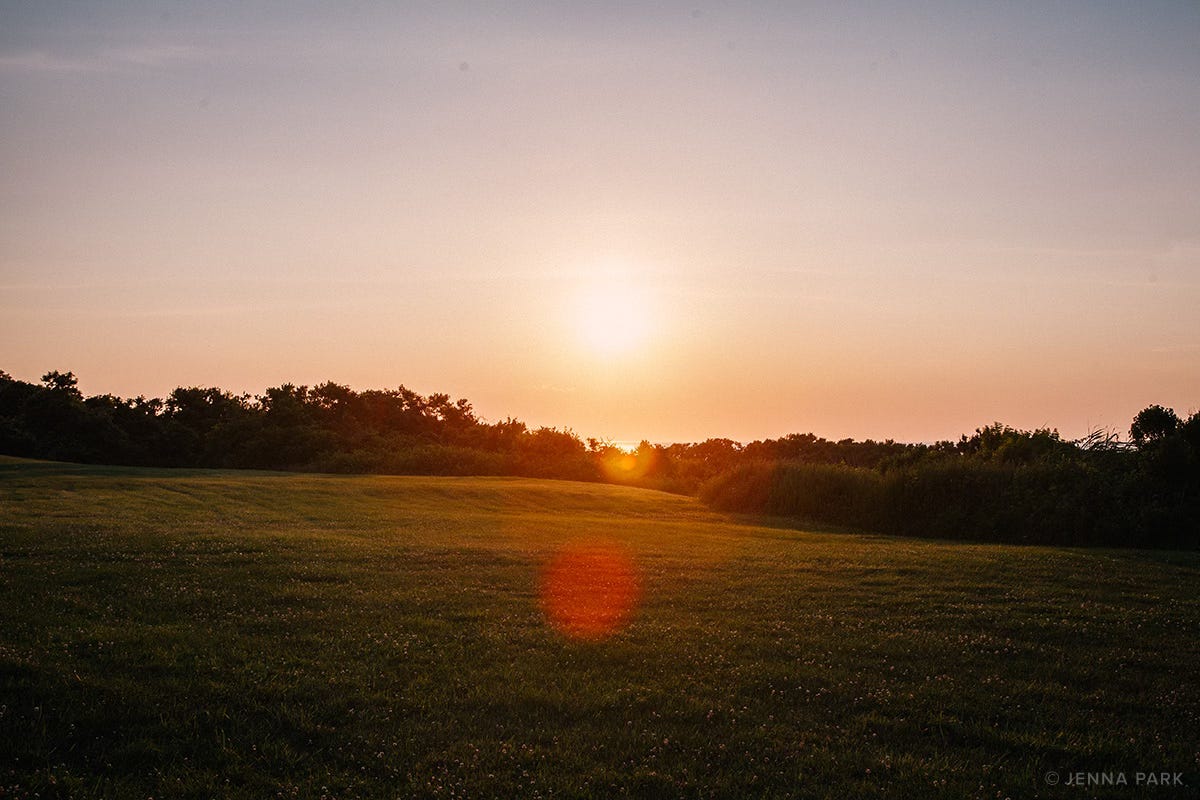
Every summer, our feeds fill with bucket lists and trending TikTok aesthetics, turning vacations and even reading lists into content that is curated rather than lived. It lures us into feeling guilty when we don’t take advantage of the warm weather. We’ve grown obsessed with optimizing every aspect of our lives: our steps, our sleep, our diets, and our productivity, even during the “summer slump season” when these slower months are meant to be savored.
I suspect that our bodies can sense that the sun is already setting earlier in incremental minutes. It’s just around now, past the midpoint of July, where we start getting anxious at the thought of wasting the summer away. FOMO rears its head if we haven’t summered enough: picnics of fruit and cheese under a shady tree; sunscreen and salty hot fries on the beach; getting our fill of sweet watermelon wedges and peaches eaten over the sink to catch sticky dribbling juice down our arms.
We have roughly 16 summer weekends in a year with only 6 weekends left and I have yet to do any of these aforementioned things. It’s been a strange one. Such a contrast to when my kids were young and we’d fill every weekend outdoors because the raw energy of five years olds can’t be contained in a cramped NYC apartment. We took full advantage of everything the city offered.
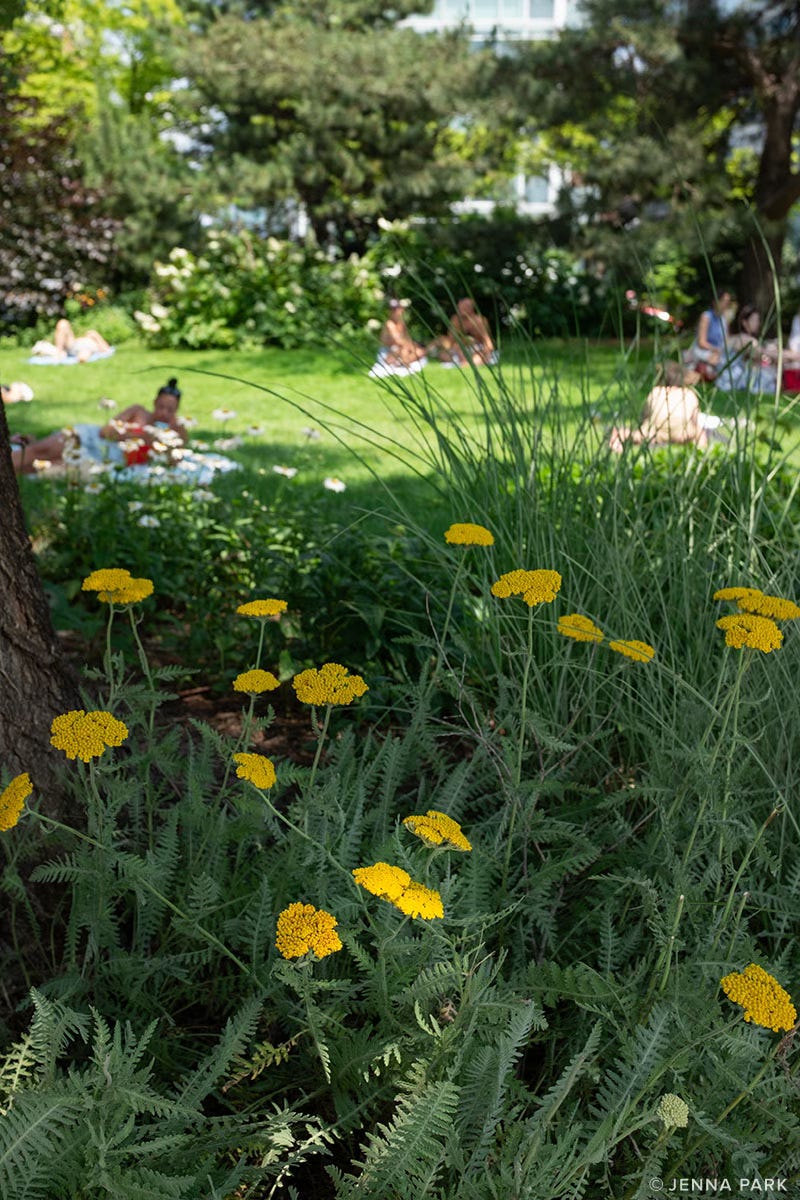
My childhood summers couldn’t be more different. They were filled with boredom and leisure. I watched daytime soaps with my grandmother who didn’t understand a lick of English (General Hospital was my favorite). When I turned old enough to be left alone with my younger brother, I lazed on the couch either reading books or being bored out of my mind. But what I remember most is the unstructured and unsupervised time playing Kick the Can in the street with neighbor kids and riding bikes until dinnertime.
At some point in the last 15 or 20 years, summers became synonymous with resume-building activities, even for high schoolers. Achievement culture runs rampant in competitive college admissions and it’s turned summers into opportunities to work, take classes, volunteer, intern, or enroll in enrichment programs—in other words, to gain an edge. “What are your kids doing this summer?” became more of a curious but nosy status question.
Yeah, it sounds kind of awful. I also know this isn’t universal. I’m aware that it depends on family priorities, cultural and even regional norms, but I’ll admit we fell into this optimization trap of packing summers with classes, volunteering, and other resume-building opportunities once the kids hit 10th grade. It only ramps up once they’re in college. Experience is now a valuable currency and it’s driving economic and institutional shifts in what students are expected to do during school breaks.
My college summers weren’t spent fretting about internships or even jobs. I spent every months-long break traveling across the country in cars and vans with little money and no real agenda. I hiked and camped out in the woods for weeks in national forests and met people along the way who invited us to stay in their homes or pitch a tent on their land. I made and sold jewelry and worked on farms with migrant workers to fund my travels when money ran out. And when we grew tired of a particular location, we’d study the road map and pick our next destination. We often drove from one festival to the next.
It was an eye-opening experience for this sheltered city kid, traveling to the far corners of America and finding myself in situations where I was the only non-white person in a town for the first time in my life. When I think back to some of my adventures, I think about how “content-rich” my life was. But I documented none of it.
Can I tell you a little story? About the summer that I traveled with a kitten? Because I can’t help but laugh that my cat and I could have been Instagram famous if social media was around back then (and thankfully it was not).
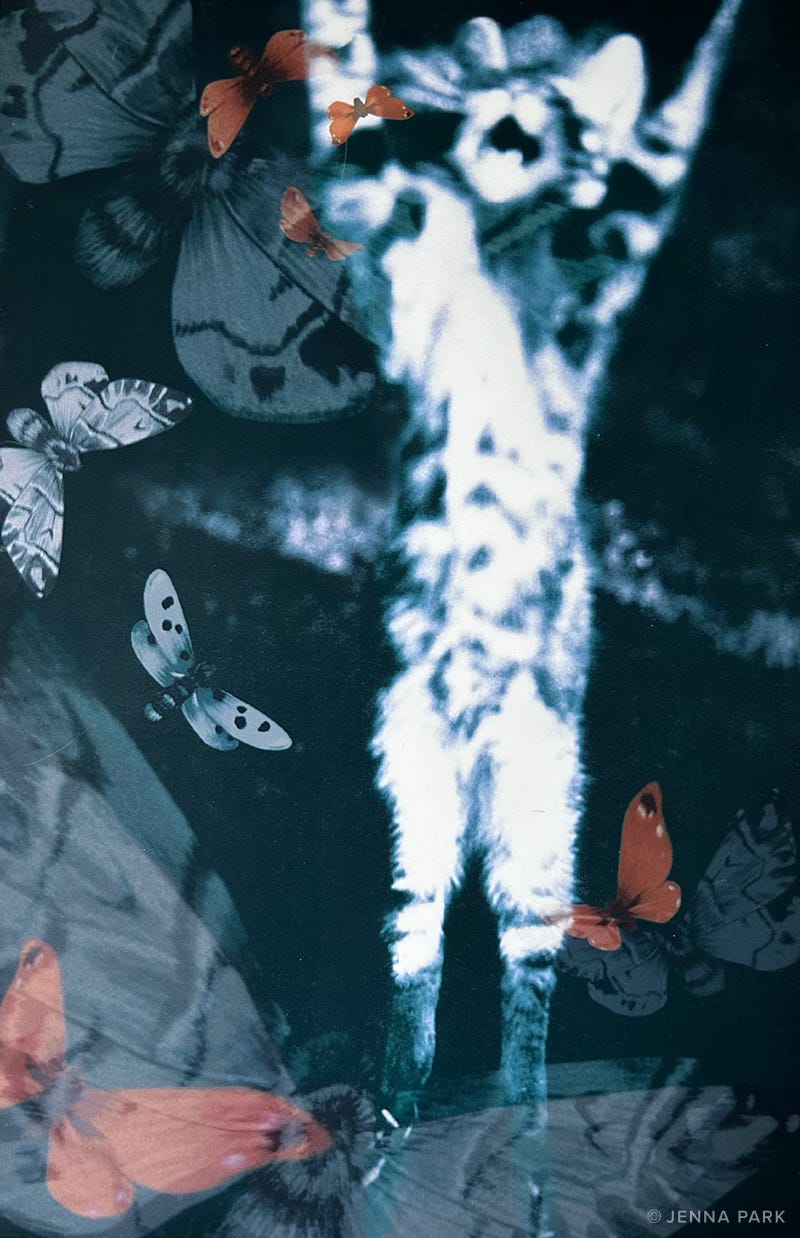
The story begins when I rescued a beautiful silver tabby while camping deep in the woods of northern Minnesota. He was only a few months old. I took him with me when my friends and I headed west in a van (a tricked out Volkswagen, no less) and named him Sage because his furry coat reminded me of the velvety soft, silvery leaves of a sage bush.
I had never had a cat before. Our family were always dog people. And maybe because I raised it more like a dog while on the road, Sage became my loyal travel companion, rarely harnessed or leashed, but always by my side. He’d perch himself on top of my backpack during hikes on Mt. Shasta in California. He’d frolic in the meadows at our mountain campgrounds. We even brought him to see the Pacific Ocean on the Oregon Coast. He slept on the dashboard of that Volkswagen, curled up in a circle as the van rambled through highways and backroads, crisscrossing with us across America.
When I returned back to NYC to start my third year of art school, he became a city cat who acclimated to staying mostly indoors, but I was grateful to live in a garden apartment for a bit of outdoor space where he liked to venture out into the backyard. The next summer, Sage and I left the city again—this time “for good.”
That cat saw more of the country in two years than most Americans ever see in their lifetimes, but he didn't live long. Contracted feline leukemia probably before I even rescued him and was gone before he turned three years old. He died so young, but I showed him the world.
I can’t imagine any kids in our circle having completely unstructured, carefree college summers like that. Everyone is vying for internships and maximizing their breaks so they can exit college with the years of experience required now for entry-level jobs.
Or maybe these experiences just present themselves differently now?
My youngest has been spending the last two months in the remote mountains down south, conducting scientific research at a biological station. We’ve never been able to afford sleep away camp, so this is her inaugural summer camp experience. She takes her morning coffee on her porch, naps under trees, catches newts in the lake with a net, and hangs out with her crew watching shooting stars late into the night. She reports back to us that she doesn’t miss the city at all, isn’t ready to come home next weekend, and has unplugged from all of her devices except when necessary to crunch and code data for her work.
Summers like mine might not be the norm anymore in a world that is very different, but she’s having a transformative summer of her own. Not exactly dropping off the grid like I did for weeks at a time, but experiencing what it’s like to immerse yourself in nature that deeply, in unfamiliar country far away from home.
I wish all city kids had that opportunity. To smell the earthy ground beneath you while gazing at the canopy of leaves above. To be able to see the entire milky way of stars, unfettered by city lights and have long enough stretches of time just to think.
Maybe it’s impossible to escape optimization culture when modern life is so measurable. Maybe personal growth is still optimizing your summer. That’s not a bad thing. She’ll come back a different person the way I did every time I dropped out for a summer.
Thank you for reading! Everything is Liminal is reader-supported publication. Weekly posts are free, but some are paywalled at a later date. If you enjoy this newsletter, I’d be grateful for your support with a paid subscription.
Related reading

A roundup of links
Around the web:
The Comforting Resurgence of ‘Grandma Hobbies’ (NY Times gifted link)
It’s as if everyone, including the young folks, are tired of screens, mindless scrolling, and social isolation.Burnout isn’t new — 18th‑century farm records show workers describing the same exhaustion (The Conversation)
Interesting read on the origin of “burnout” and how it shifted from the literal to the figurative over time.The Cult of Optimization (The Ideas Letter)
Where did the idea of optimization come from anyway? How did it cross frrom machine and logistics into a cultural ideology?More tech workers are retiring early because they don’t want to deal with AI-related changes: ‘Many people believe it’s overblown’ (Fortune)
The entire job market is in such a weird and unforgiving place right now, so this is completely relatable.Is AI making us stupid? (Science Direct)
I mean, yes? But here’s a scientific argument about the effects of cognitive offloading of our brains. I also love this phrase: “skill decay.”Costco Is the Anti-Amazon and It’s Thriving (The Walrus)
"…the pre-selection of items for sale in their warehouses is part of the value proposition: not only are you going to get a lot of a particular thing for a good price but you also won’t have to deliberate over microdifferences in a more robust assortment."
This is so true. Decision fatigue is exhausting. How many hours of our lives do we waste reading reviews and obsessing over details when minute differences rarely matter?
An exhibition worth seeing if you’re in NYC:
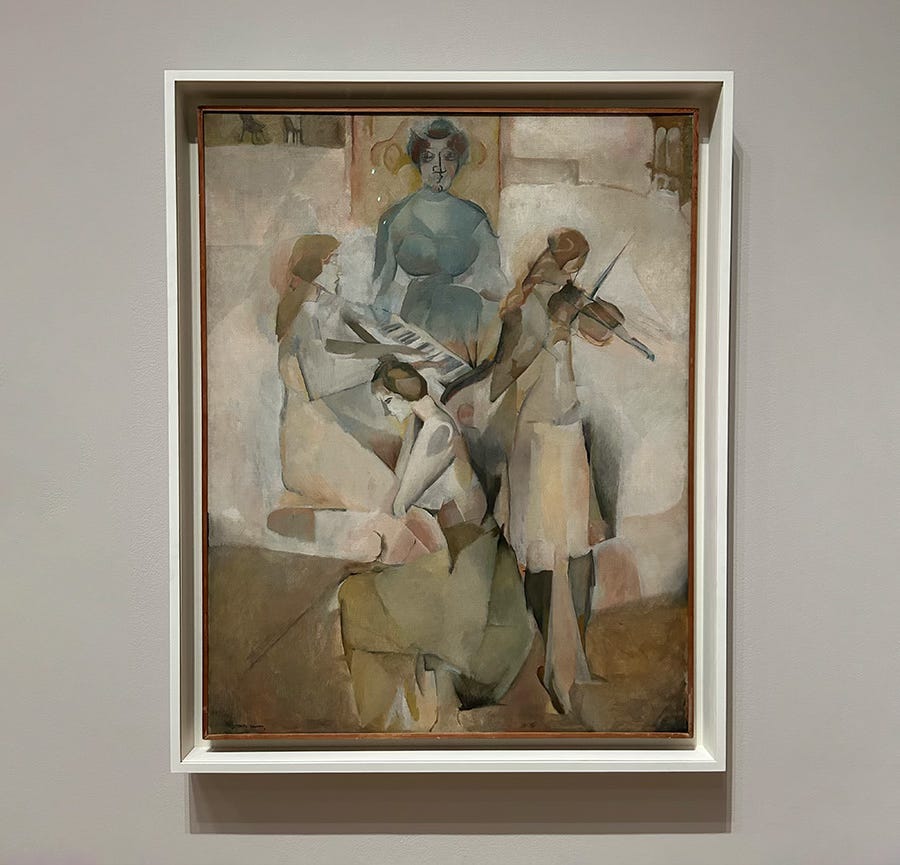
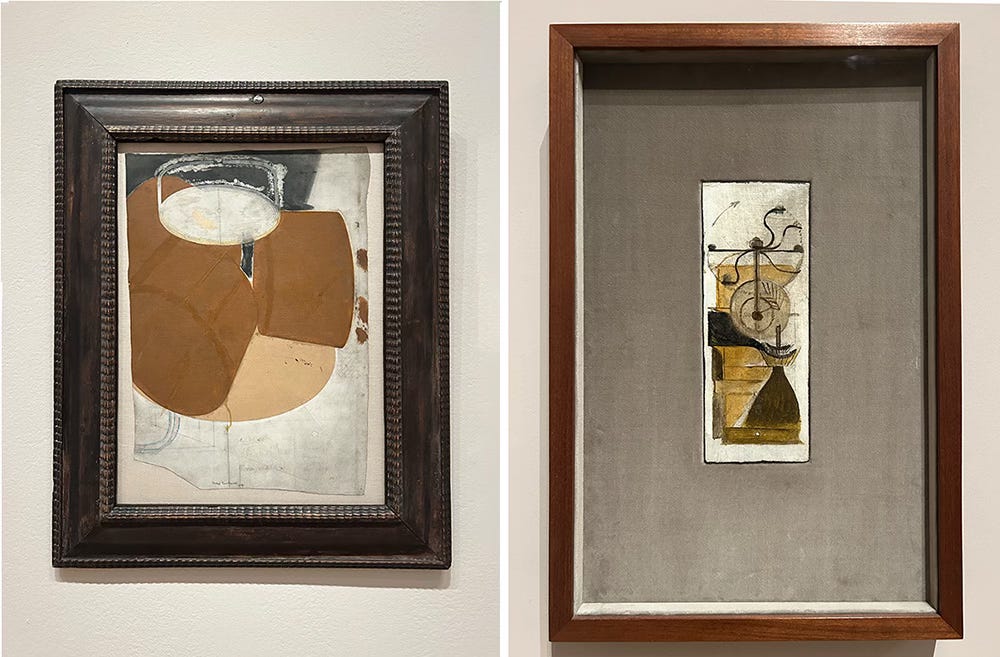
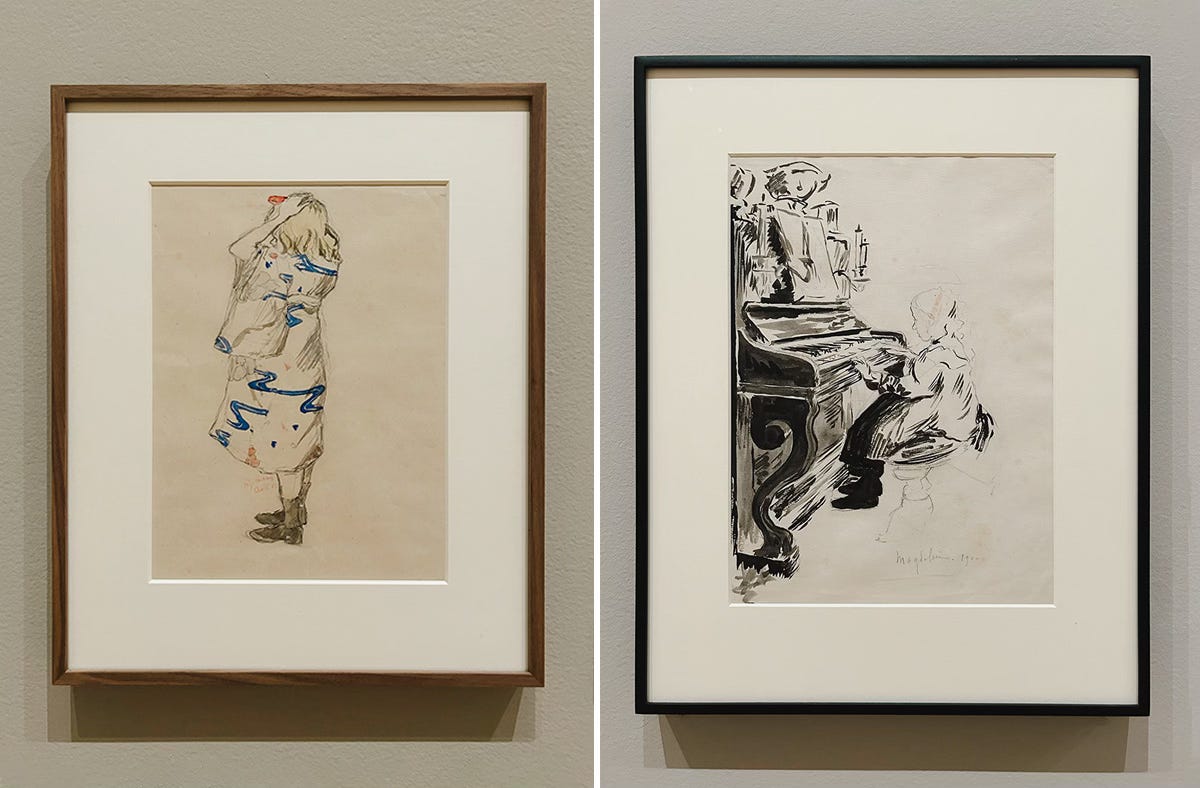
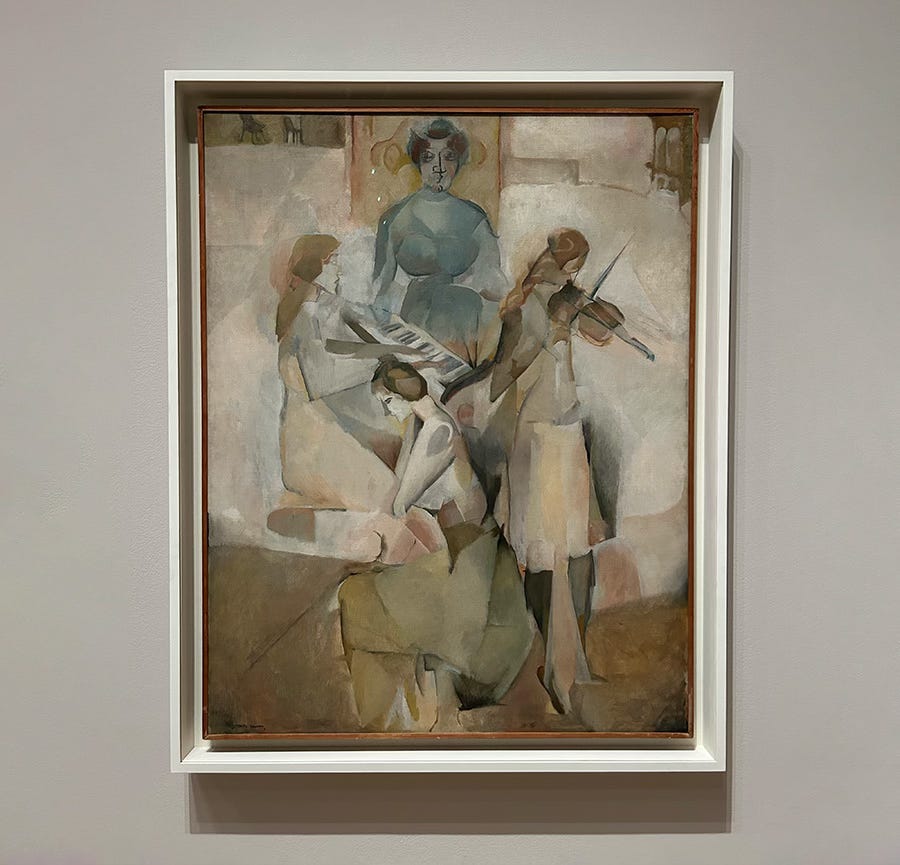
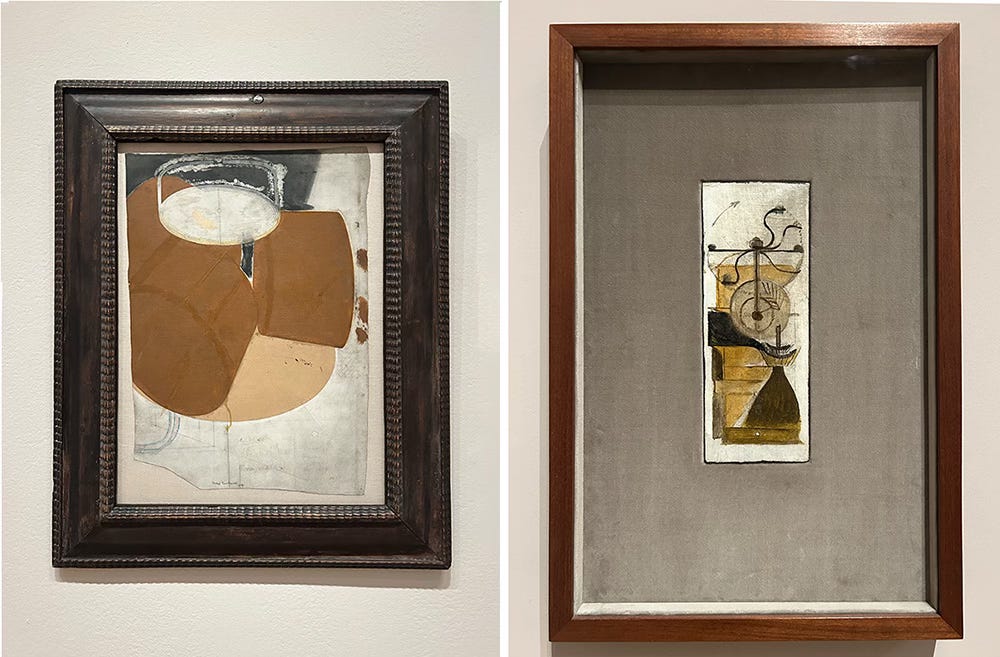
Marcel Duchamp (MoMA, through Aug 22)
I wasn’t initially interested in seeing this show (we’ve all seen the readymades and Nudes Descending series). But the oeuvre of Duchamp’s work surprised me, particularly his early work even before Cubism. It was interesting to see the retrospection in a chronological timeline, from when he followed “the rules” to when he started to subvert them.
Below: a few of Duchamp’s earlier works and a review of the exhibit here.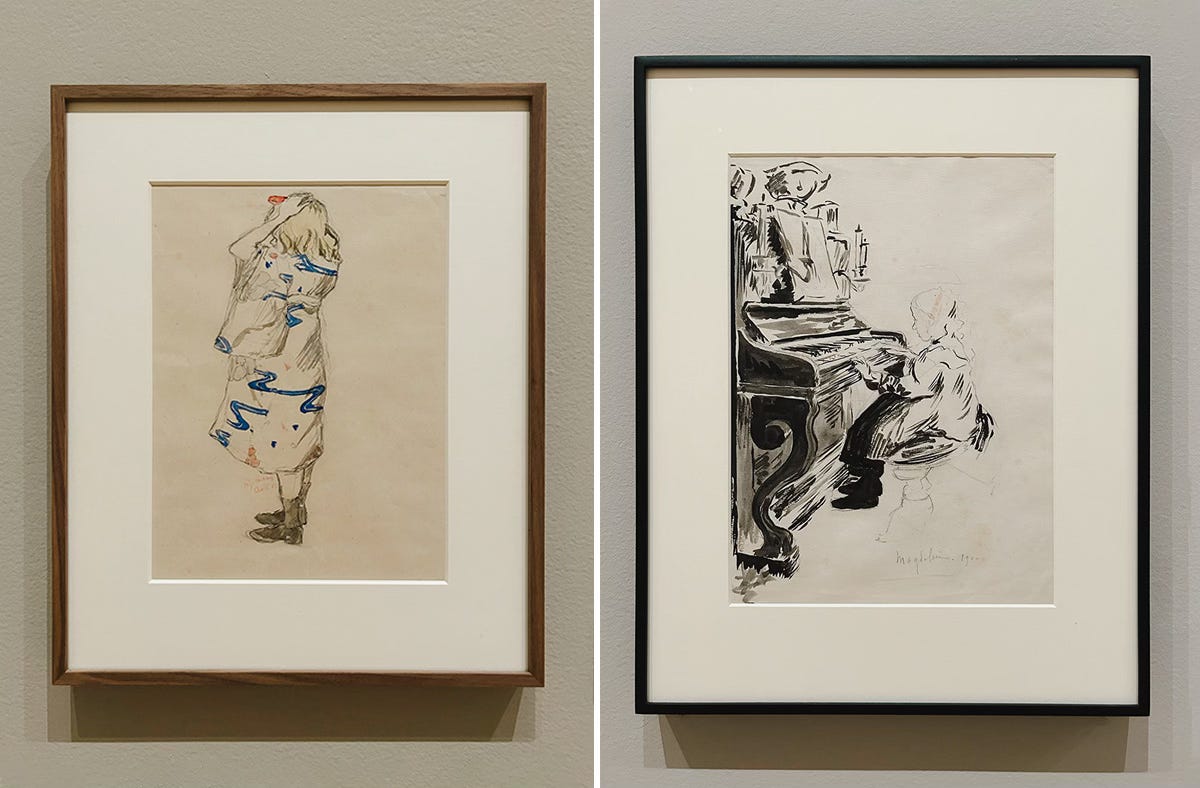
What I’m reading:
In Defense of Dabbling: The Brilliance of Being a Total Amateur. I’m reading Karen Walrond’s book about hobbies, curiosity, and play. Another argument against the pressure to monetize our passions! And she writes a delightful newsletter here on Substack too.
Till next week – JP
If this post resonated, I would appreciate a share or restack. 🫶
Oh what a beautiful and touching story about Sage. She clearly loved you for saving her and giving her an amazing life.
The summer thing with high school/college kids is really tough. We tell them that this is the time to live life (we were able to!) but if they do, they often get set back years in landing their first career job. That paradigm is very unsettling to me and leads to burnout in multiple areas of life, not just workwise. I'm so happy your daughter gets to experience life unplugged. It's such a rarity now and her personal revelation is truly priceless!
You’re such a lovely storyteller and artist. I hope you’ll create a longer piece on day :)