

She didn't ask for this
A nation in one frame. America at 250.

What I’ll remember about this year’s fourth of July weekend is not the gross display of carpet bombing fireworks in our nation's capital. Nor the stifling 100 degree temps that descended on NYC and trapped heat in its tall canyons of concrete. It wasn’t even the sudden onset of a spectacular thunderstorm that whipped through like a hurricane and shook the trees as if they were made of paper. It lasted all of thirty minutes before the furious storm moved on, leaving a fiery sunset and a rainbow in its wake.
What I’ll remember about America’s 250th anniversary is an image of a Black woman riding the metro, surrounded by neo-fascist white supremacist cowards, masked up and covering every inch of their faces.
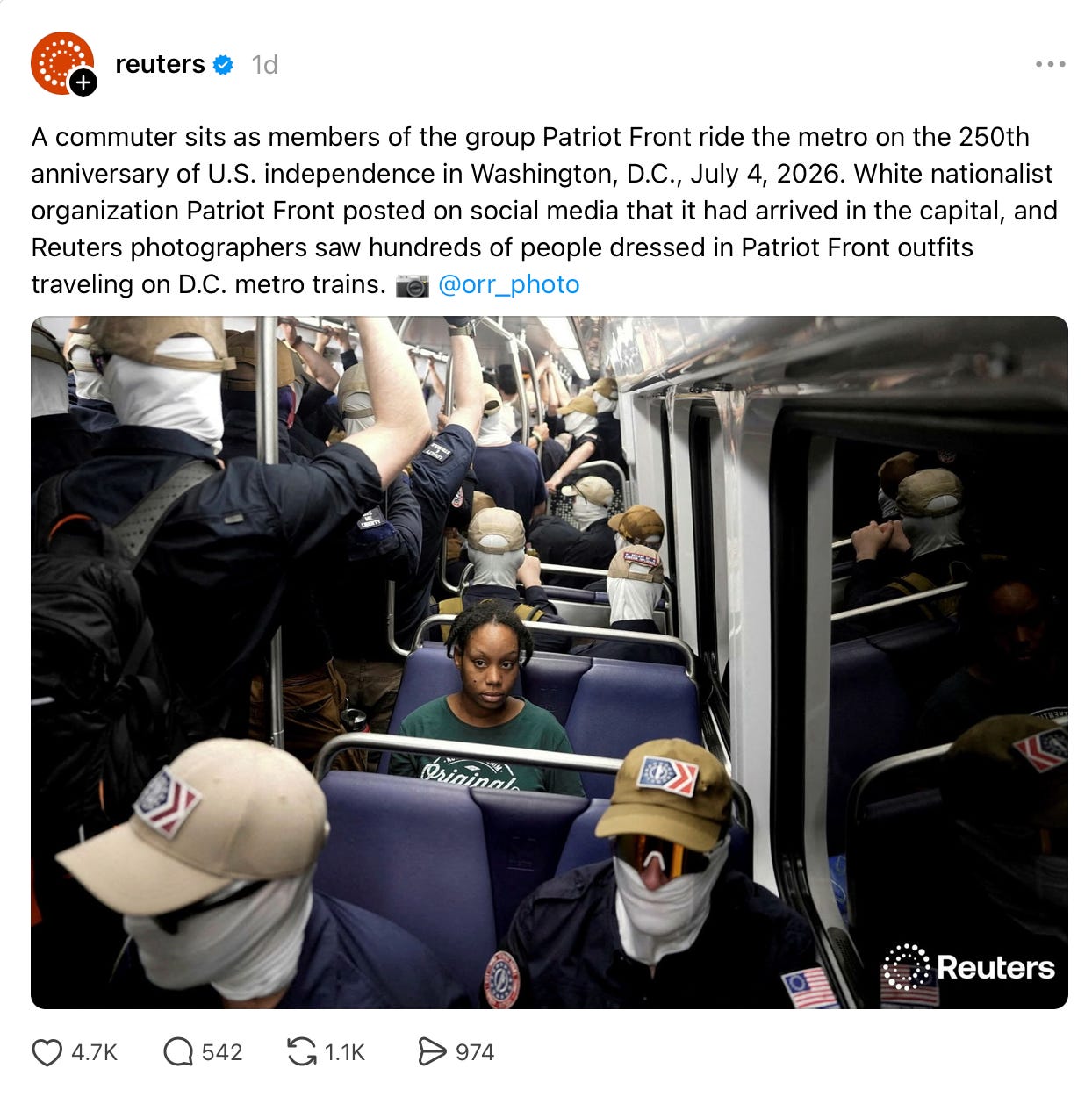
Every so often, an image comes across my social feeds that stops me cold. The photo, taken by photojournalist, Cheney Orr, and published in Reuters went viral and was hailed as instantly iconic. Photo of the year! Worthy of a Pulitzer! Many declared that our future children would be seeing this image in history books one day. But our first thought should have been concern for that woman’s safety, not accolades for the photographer who captured that incredible moment, even if well deserved.
What I saw in the image was a woman just living her life, on her way somewhere on a 4th of July holiday. She didn’t ask to be a symbol or a statement. She didn’t ask to be a hero. She did not ask to be there and it’s unknown whether she even gave permission to be photographed; she simply walked onto a train that day and found herself immortalized in a photo that many are hailing as the defining image of where we are in America in 2026. A nation in one frame. 400 white supremacists carrying confederate flags marching through D.C. on Independence Day in choreographed fashion, designed for media attention.
Uncomfortable images challenge us and they can hold up a mirror, but we often read into them what we want to see. The power of this particular photo centers on her expression, not because it’s the only visible face in the image, but because her expression is not entirely discernible. Some people saw a resolute strength in her face and called her a brave queen. Some likened her to Rosa Parks. Some saw fear. Others had the audacity to declare that she wasn’t in any danger at all, that it was possibly the safest train ride of her life. I saw wariness on her face, but also exhaustion.
The truth is, we can’t know what she felt unless she agrees to be interviewed like this commuter who also found himself surrounded by the same group that day. But I hope, if this is what she wants, that she remains unnamed and anonymous.
I recognize her exhaustion. This country is exhausting. Trading white hoods for white masks. Cowards who are too afraid to show their faces to own their own hate. “Reclaim America!” they chanted, but reclaim from whom? The native indigenous people we stole land from?
Watching this entire 1993 festival set recently from Rage Against the Machine1 reminded me of just how angry we were fighting back against the abuse of power. We were fighting for equality and freedom back then and we’re still fighting for it now. Change comes very slowly, and at times it seems that history hasn’t changed at all, but it doesn’t mean it’s not worth fighting for.
There is so much divisiveness and hate. The difference could not be more on display than the 4th of July speeches made by two very different New Yorkers (though we New Yorkers do not claim him)—one from an immigrant mayor who is acting more like a public servant than your typical politician, the other from a billionaire president who bizarrely warned the nation of the dangers of communism. Without explicitly naming names, the two speeches implied each other.
Full of historical references of New York’s immigrant past, Mamdani subverted the definition of American exceptionalism, not as evidence of the country’s innate moral or historical superiority, but because “nothing here is fixed in place.” Equality, freedom, and democracy require constant vigilance and participation, but it’s also a privilege.
“What a privilege each of us has to live in a nation that every one of its inhabitants can shape.” (Mamdani)
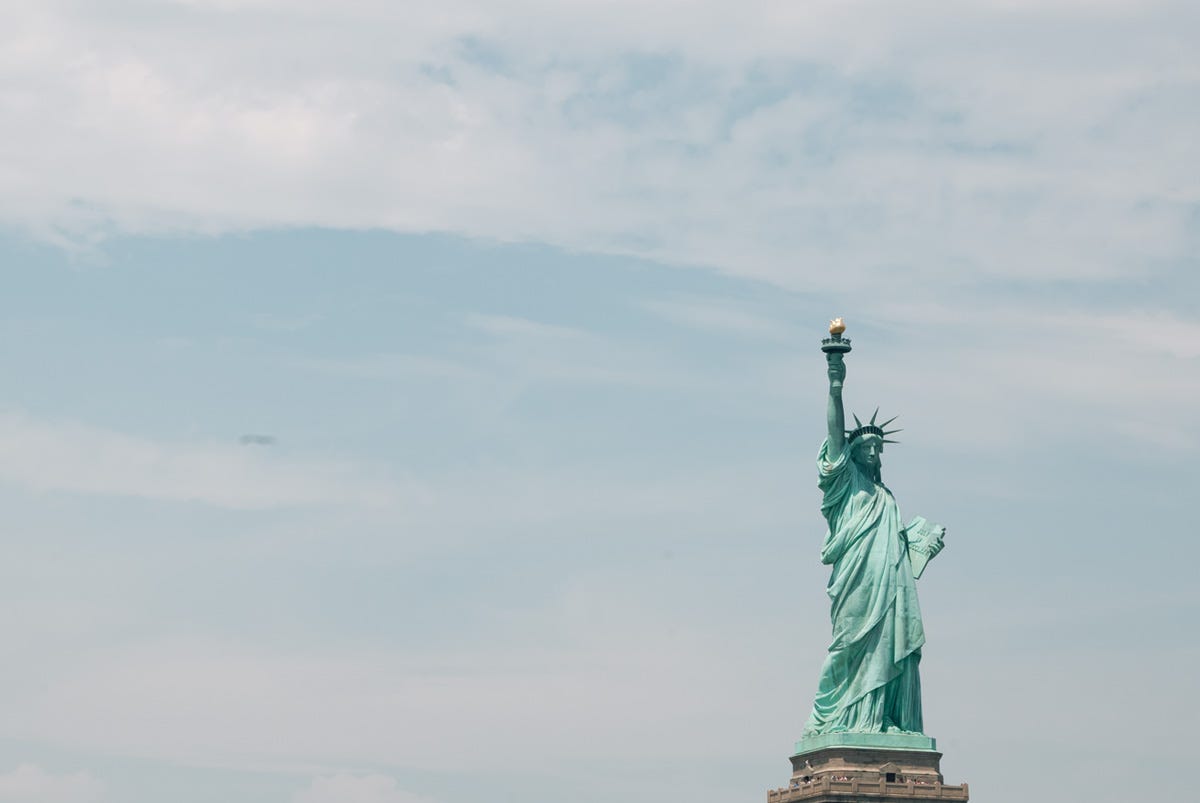
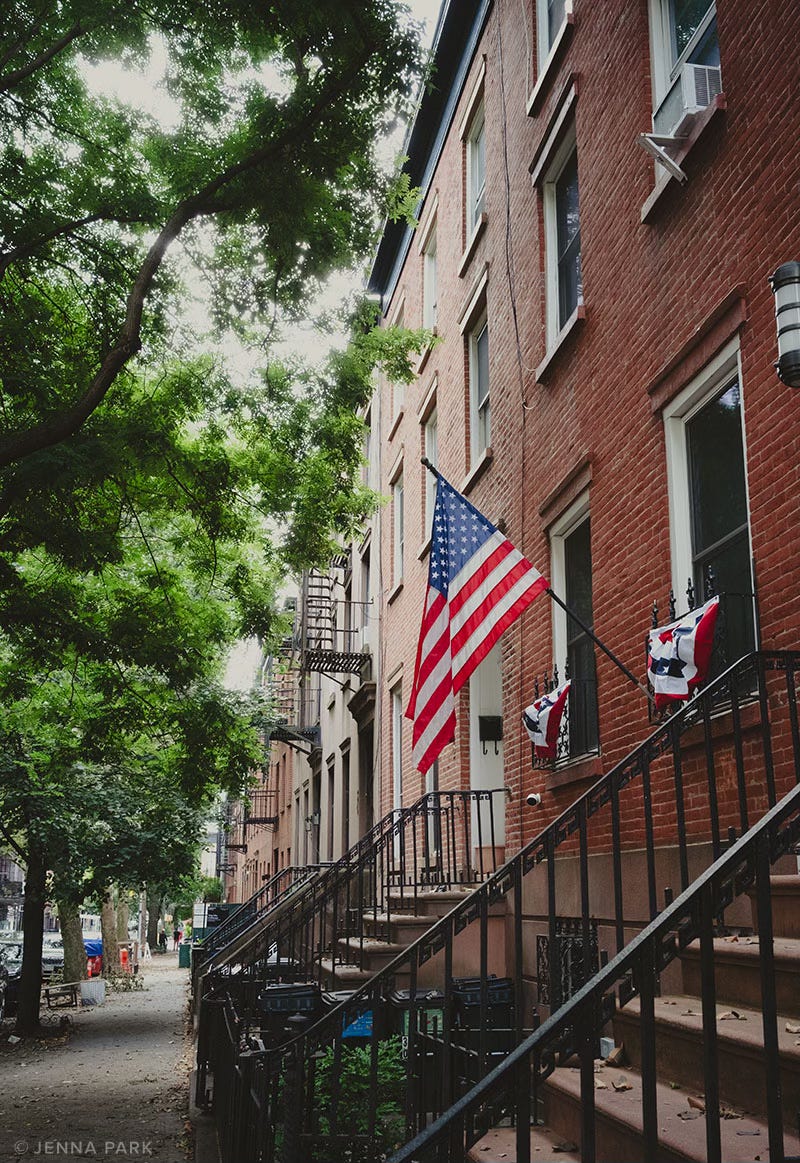
Sometimes it feels like I’m living in a bubble here in New York City, one of the bluest cities in a blue state, where the symbol of freedom, democracy, and a beacon of immigrants stands in our harbor. In fact, it feels like much of the country lives in their own politically isolated bubbles. While we’re not immune to the shenanigans coming out of the White House or the occasional racial slurs hurled at me on a NYC street, New York has always led the way as an engine for reinvention and for the melting pot ethos that celebrates what should make us proud as a nation: our diversity.
I don’t take my citizenship for granted; I don’t think any immigrant does. While it’s true that I didn’t have a choice in coming here so young, I did make a choice later as a teen in renouncing my citizenship to my native country and choosing to take the oath of allegiance.
Fervent chants of “USA! USA!” make me cringe and I have never been as disgusted as I am now with an administration and corrupt president hell bent on lining their own pockets while attempting to strip ordinary citizens of social safety nets. Our civil and human rights are at jeopardy.
But.
This is my country.
This is my country and I’m not leaving it. I may not always be proud of its politics, but this is a country that gave my family the fighting chance to imagine a future of possibilities. Where a young woman from a tiny country in Asia could arrive in New York City in 1971 with a few hundred dollars in her wallet and build a home and generational wealth to pass down to each member of her family via a green card sponsorship and an opportunity.
I still want to believe in that America. I still want to believe that this is a land of opportunity and a haven for those seeking refuge. Where a Black woman can ride the train free from menacing displays of hate. Where we can demand higher moral standards in our leadership.
I want to believe that this America still exists.
Thank you for reading! Everything is Liminal is reader-supported publication. Weekly posts are free, but some are paywalled at a later date. If you enjoy this newsletter, I’d be grateful for your support with a paid subscription.
Related reading

A roundup of links
To read:
How a food writer grocery shops on a budget (Salon)
I’m always interested in how others food shop. Is this a weird fascination? We have our food budget down to a science, helped by a very efficient former chef in the house. It reaffirms the idea of anchor ingredients—building “a kitchen around a personalized roster of ingredients they genuinely love and use constantly.”Skill nostalgia. Is all the beekeeping, baking and leatherwork just escapist fantasy or the start of a radically human approach to work? (Aeon)
"Our hobbies seem to have become one way that we imagine our jobs should be. As automation, AI and lay-offs threaten to deskill labour further, it’s likely that our desire for skilled hobbies will only increase."
Nostalgia for a bygone social order of the past? Or a desire to reclaim meaningful, skilled work and a vision for a more human future?Smartphones are helping filmmakers tell the stories the movie industry overlooks (The Conversation)
You can’t deny how phones have democratized photography. The same is true of filmmaking, and phones has given underrepresented creators a low-cost and intimate way to tell their stories.Tracing Memory (Cheney Orr)
I went down a rabbit hole of Orr’s work, the photographer who took that remarkable shot of the woman on the metro. One personal project that struck me was this one documenting the alarming rate of Alzheimer’s in Starr County, Texas. I also loved that he worked on this project with his mother.“In Starr, nearly one in four over the age of 65 are reported to have Alzheimer’s, compared with one in 14 nationwide.”
After going through one of the worst times of my life dealing with my father’s Alzheimer’s, I appreciate any project that attempts to humanize this awful disease, for both the patient and their caretakers. It’s a beautifully executed website.The Most Anticipated Books by Women of Color for Summer and Fall 2026 (Electric Literature)
Bookmarking this massive, comprehensive list for when I’m looking for something to read.
An exhibition worth seeing if you’re in NYC:
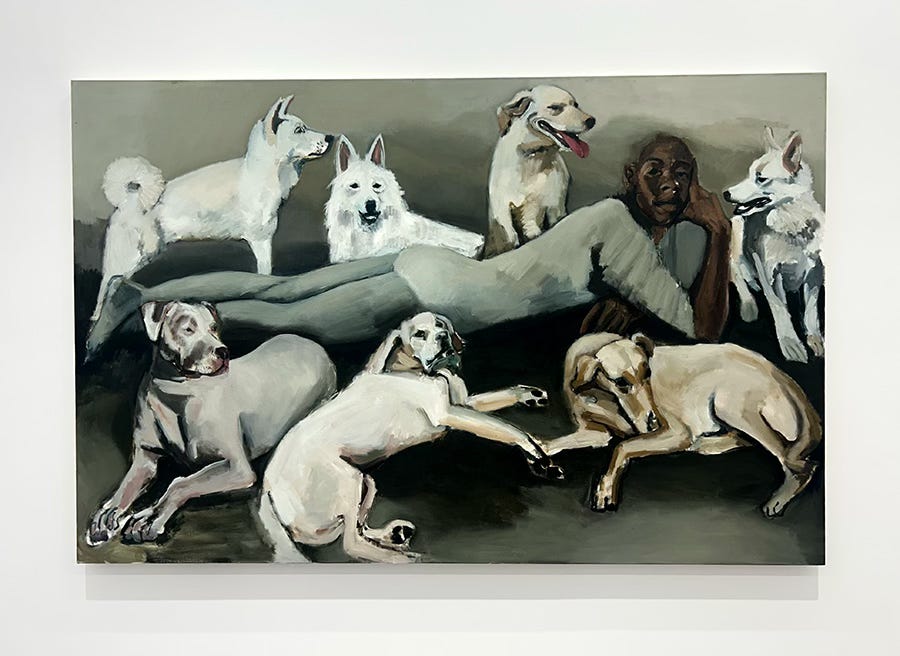
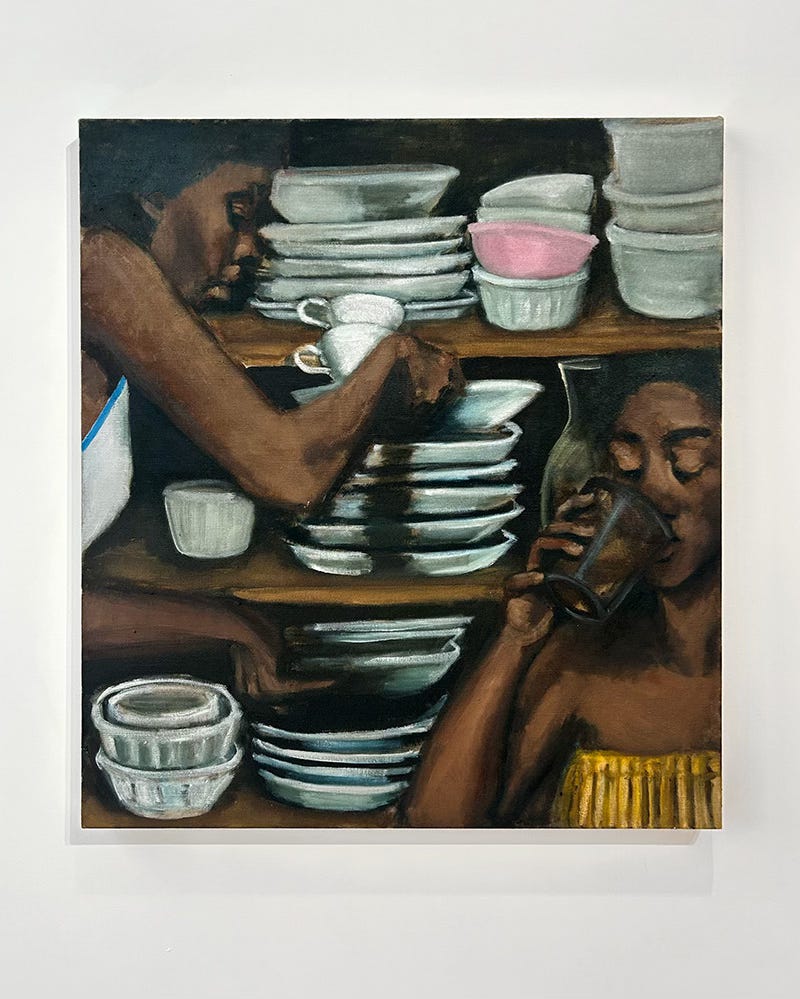
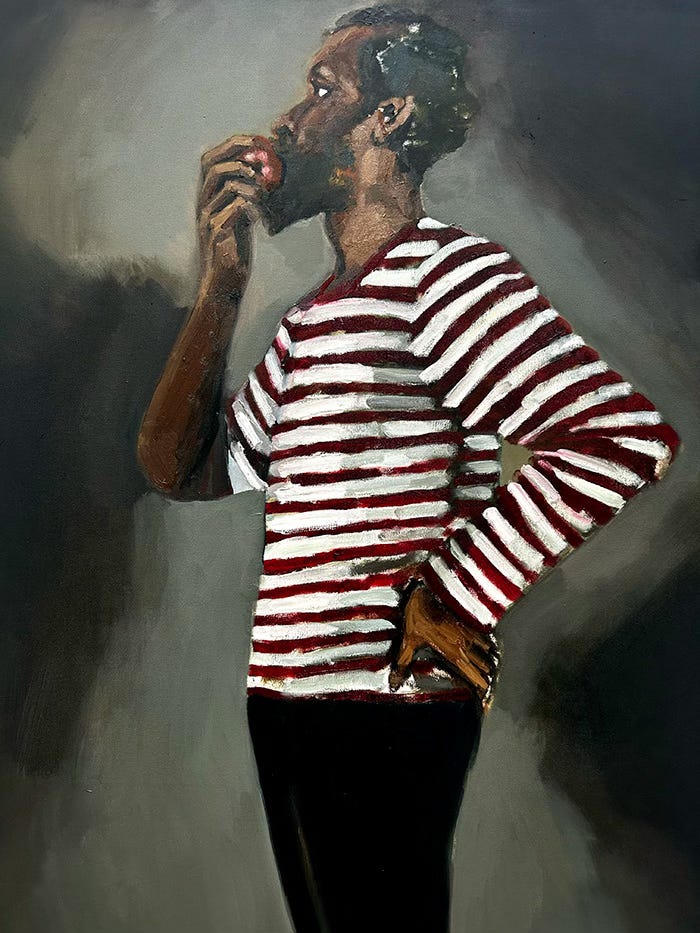
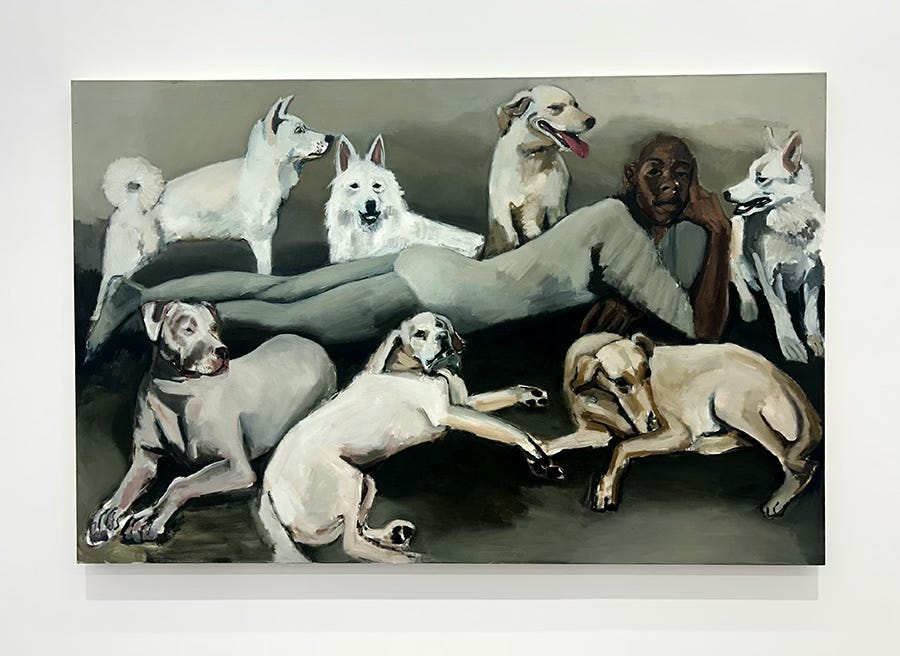
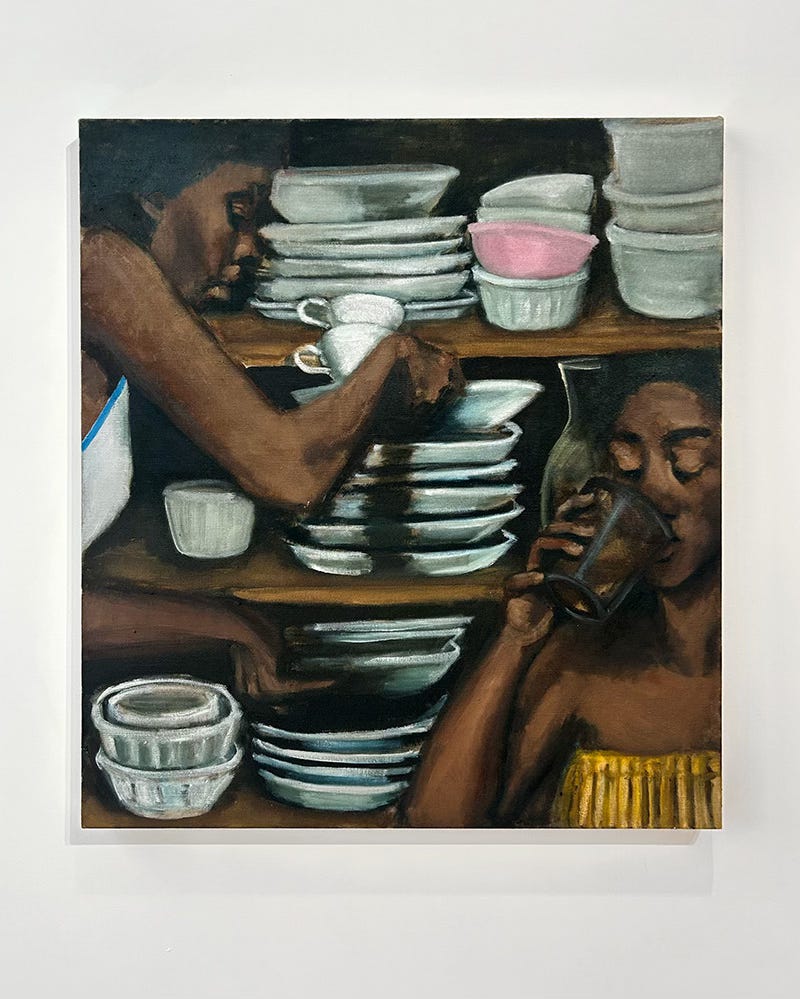
Lynette Yiadom-Boakye: Many a Moonlit Caveat (Jack Shainman Gallery)
I wasn’t familiar with Yiadom-Boakye’s work and I became quite enamored of her paintings after this gallery visit. I love this quote from Andrea Schlieker, former director of exhibitions at the Tate, that describes how she envisions her subjects: “like a writer builds a character in a novel.”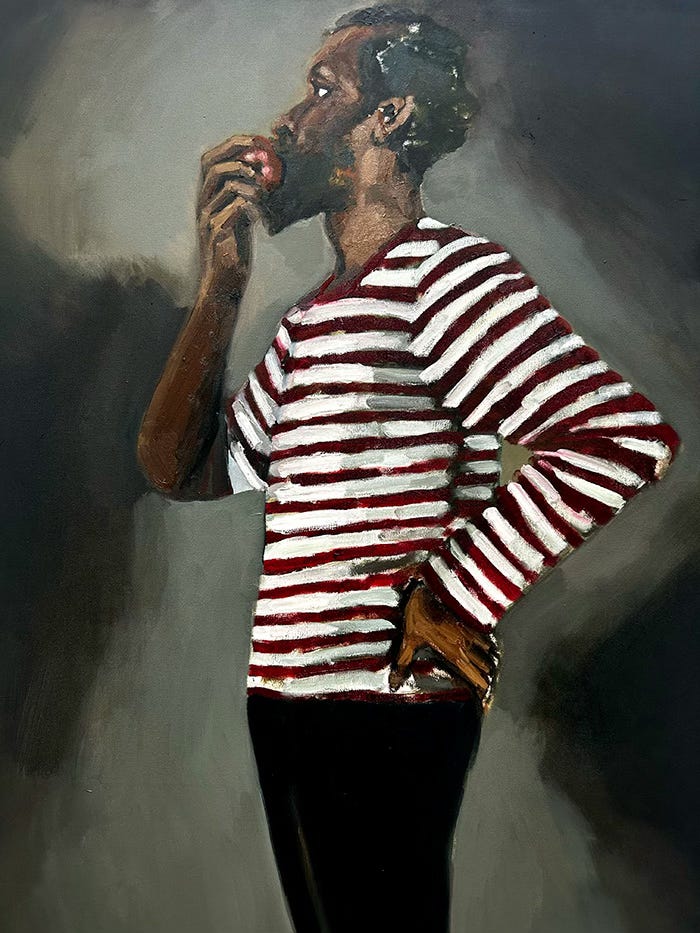
To make and eat:
Roasted Cauliflower and Lentil Salad (NY Times Cooking, gift link)
It’s the season of salads, and you can use this base recipe to substitute arugula for spinach, chickpeas for lentils. I love salads for the versatility to use whatever is in the fridge.
Till next week – JP
If this post resonated, I would appreciate a share or restack. 🫶
How is this concert 33 years ago?! The 90s were really something. Gen X, what happened? How did we become the largest demographic of Trump voters?
I've seen that photo at least a dozen times without a photo credit to Cheney Orr, so I just wanted to thank you for not just including the credit but also a note about him as well.
Just before reading, I was listening to this balming conversation between Prentis Hemphill and Kazu Haga. Towards the end, Kazu notes that fighting for community comes from a place of love. I feel like Mamdani has been reminding us what it feels to belong to a community, and in stoking that feeling of mutual attachment, allowing love to bloom again https://podcasts.apple.com/us/podcast/fierce-vulnerability-with-kazu-haga/id1519965068?i=1000774013655